
That was the key message shared by Nguyen Chau A, Director of Oxalis Holiday Company Limited (Oxalis, Quang Tri Province), in an interview with a reporter from Dong Nai Newspaper and Radio, Television, discussing experiences in product development, vision, and development orientation for the local tourism industry.
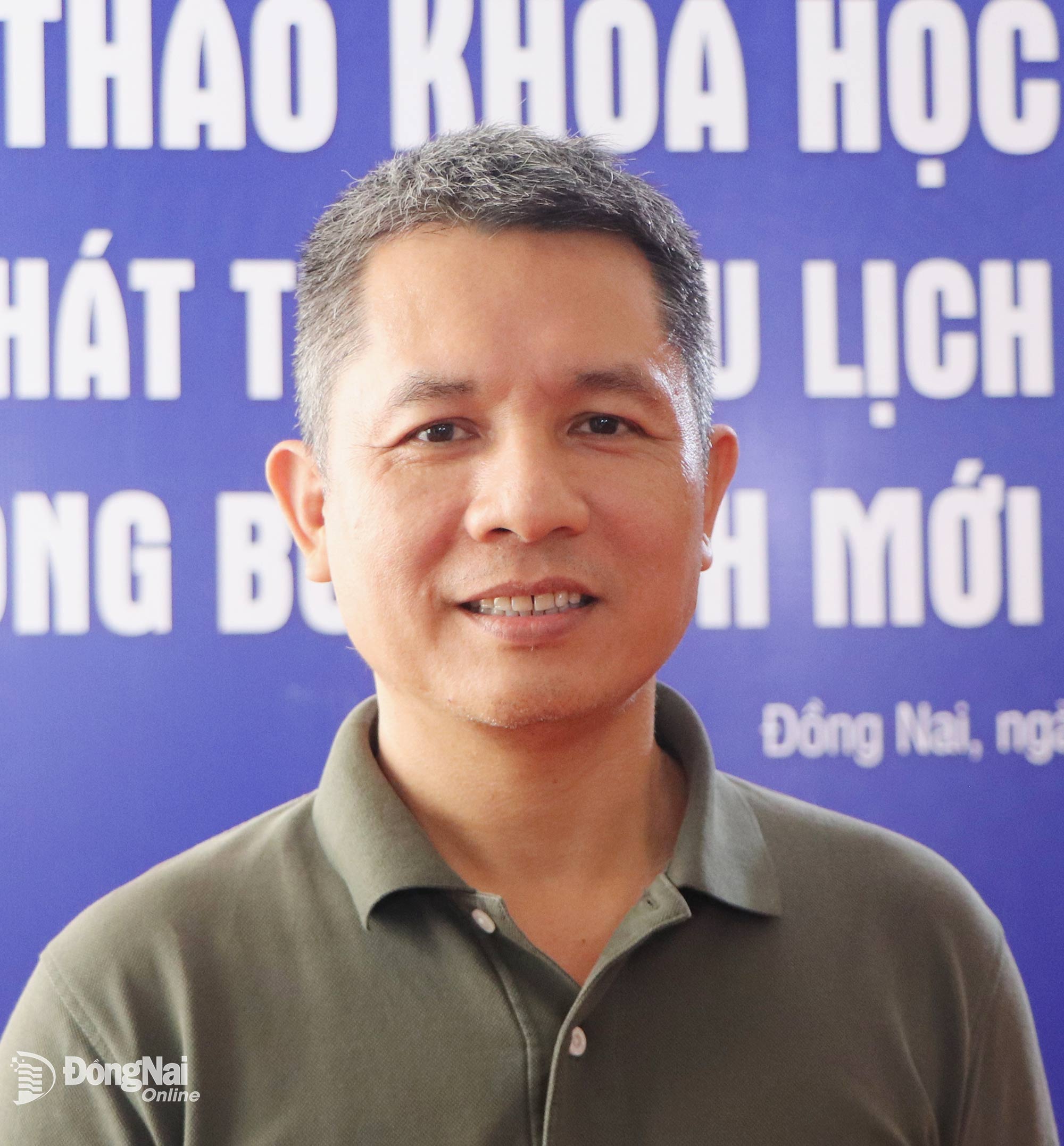 |
| Nguyen Chau A, Director of Oxalis Holiday Company Limited. Photo: Ngoc Lien |
For the past 15 years, Oxalis has specialized in providing world-class adventure tourism and cave exploration tours in Quang Tri province. To date, Oxalis has affirmed its value and brand through unique tourism products. It offers professional, high-quality services while actively supporting local communities in development and improving their quality of life. With the goal of continuous development, Oxalis continually seeks and explores potential areas for research and development of new tourism products, including Dong Nai province.
Achievements from distinctiveness and pioneering
Could you share the secrets and factors that have helped Oxalis develop and build its own brand with distinct values as it has today?
Over the past 15 years, Oxalis has specialized in providing world-class adventure tourism and cave exploration tours in Quang Tri province. To date, Oxalis has affirmed its value and brand through unique tourism products, professional, high-quality services, and active support for local community development and improved quality of life. With the goal of continuous development, Oxalis consistently seeks out and explores potential destinations to research and develop new tourism products, including Dong Nai province.
Because it was a specialized and new product, it attracted a niche market. Tourism partners were not keen on developing and introducing it to their customers, forcing Oxalis to find its own customers. We developed a strategy to create unique products in small quantities, collaborating with international media partners to introduce our caves to the world. Son Doong Cave was developed as the "key product" for cave exploration tourism in Quang Tri, with a maximum of only 1,000 visitors per year, and visitors had to book two years in advance. This communication strategy sparked strong interest among many cave exploration enthusiasts worldwide.
You have always been seeking out and researching new destinations to develop distinctive adventure tourism products, while Dong Nai is one of the places that has drawn your interest, where you have proposed developing cave tourism products. What values and potential have you seen in Dong Nai?
Each business has its own strengths. Oxalis always seeks areas with potential to build unique "niche" products with a small number of visitors. Our products could be caves or other types, but they must be truly unique and impressive to international tourists. Combined with a well-planned marketing strategy, these can create iconic products for the destination to attract global media attention. We are currently developing several unique products to attract international tourists to Dong Nai.
You once assessed that Dong Nai has great potential for tourism development, including nature-based tourism, cultural-historical tourism, MICE, and sports-entertainment. However, in reality, Dong Nai has not yet fully exploited its existing potential. In your opinion, what is the reason for this?
Dong Nai has many valuable tourism resources, from national parks, nature reserves, historical sites, to urban infrastructure suitable for tourism development. However, for many years, Dong Nai's tourism has only developed short-term, low-spending sightseeing tourism, mainly for domestic tourists.
Therefore, to develop tourism, Dong Nai must implement clear tourism development planning and regulations, and the investment mechanism must be specific and accessible to attract "professional" investors to invest in tourism products and infrastructure. Looking back, Dong Nai also lacks many tourism products for different visitor groups, especially international tourists, making it very difficult to attract visitors and create vibrancy to attract many large investors.
Here, I want to mention the lesson of Phong Nha - Ke Bang caves in Quang Tri. From 1995 to 2010, the caves were opened to mass tourism, but could not develop. Only after Son Doong cave was opened to tourism did a vibrant, bustling tourism environment emerge. This feature then attracted tourists from both within and outside the country, as well as tourism investors.
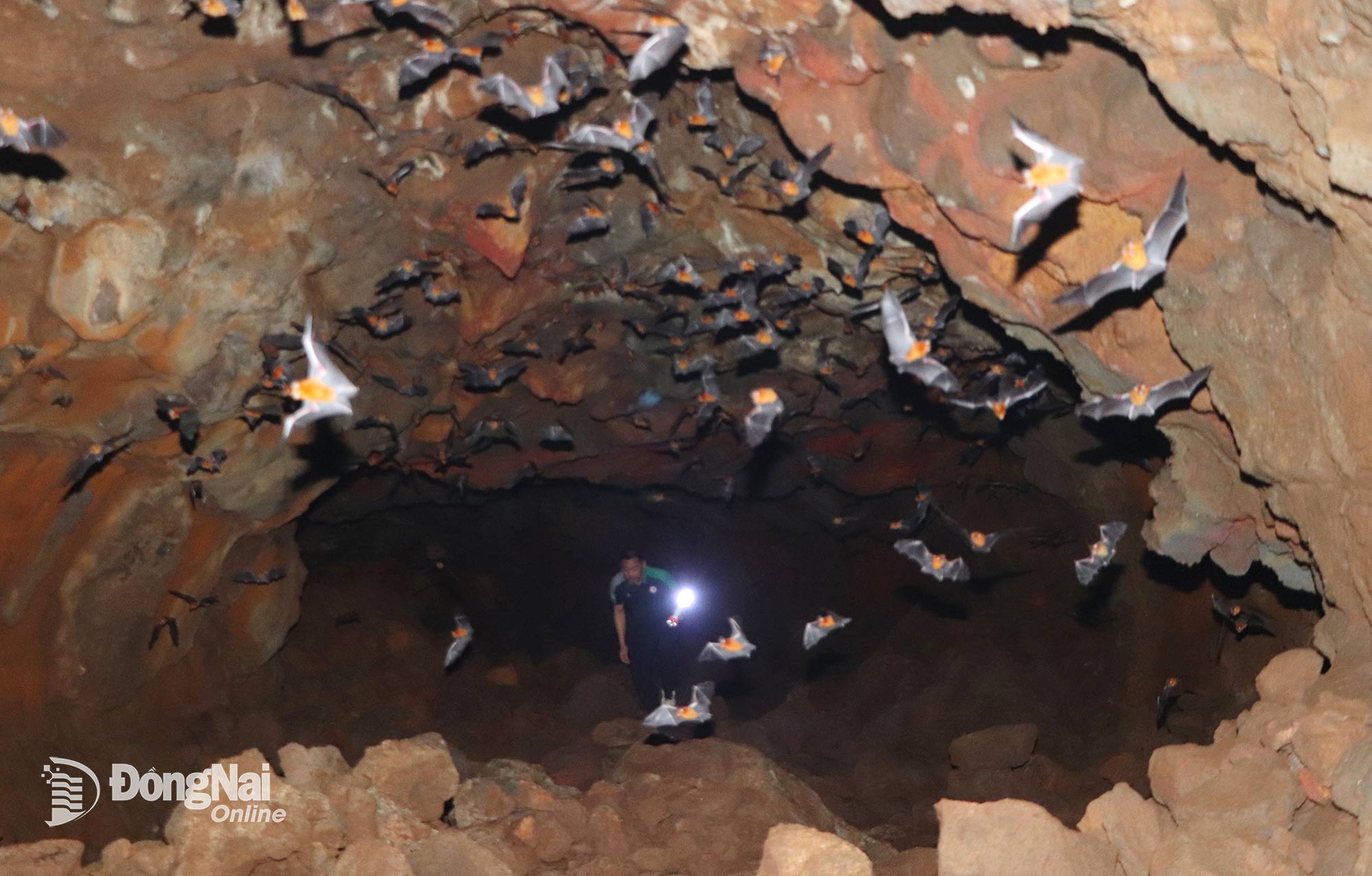 |
| Tourism experts assess the unique underground bat cave system in Phu Vinh commune as having potential for cave tourism development in Dong Nai. |
Dong Nai tourism needs breakthrough strategies
In your opinion, what does Dong Nai need to do to develop tourism, maximize its potential and value, and become a central destination in the Southern region?
Each locality has different tourism resources and strengths. Dong Nai can develop distinctive tourism products. To do so, it requires the engagement and determination of provincial leaders at all levels, along with relevant sectors, to create breakthroughs in tourism product development. The creation of signature tourism products depends largely on the approach used to develop them for operation and further growth.
Given Oxalis's successes, could you share the importance of training tourism human resources today?
Training tourism personnel for traditional tourism is already difficult enough, but for adventure tourism, it is many times more difficult. At Oxalis, a guide who wants to take guests on a cave expedition must complete many company training courses and undergo inspections and evaluations by independent parties to ensure the guide has sufficient knowledge and skills to respond to safety situations and provide a truly wonderful trip for tourists.
At Oxalis, a guide, from knowing nothing to leading guests on a Son Doong cave expedition, typically needs about 2-3 years of experience leading less demanding tours and must also undergo a series of intensive training courses and pass assessments before meeting the requirements.
According to you, what is the prerequisite for a locality to develop strongly in tourism? If allowed to invest in tourism product development in Dong Nai, in what direction would you develop your product?
In my opinion, for a locality to develop strongly in tourism, the first thing is the will and long-term vision of its local leaders. For example, 25 years ago, Ninh Binh province was like a stone quarry, with many cement factories springing up and smoke and dust polluting everywhere. Since the province changed its development strategy and stopped quarrying to focus on conservation for tourism development, over the past 25 years and across many terms, Ninh Binh's tourism development strategy has not changed. No matter who the leader is, Ninh Binh's development path remains prioritizing tourism development.
Currently, Oxalis is also researching the potential for development in Dong Nai. Our product will certainly still be sustainable tourism, green tourism. Oxalis's core principles include: Safety, conservation, and local community participation. Therefore, any product invested by Oxalis must embody these three elements.
According to Oxalis Director Nguyen Chau A, Phong Nha - Ke Bang has now become the world's largest cave-adventure tourism hub, with about 50,000 visitors participating in various tours. In particular, Son Doong cave has put Quang Binh tourism (now Quang Tri province) on the global tourism map.
By Ngoc Lien – Translated by Mai Nga, Minho


Thông tin bạn đọc
Đóng Lưu thông tin