
(ĐN) – On July 29, the Dong Nai provincial Party Committee is scheduled to hold a one-month preliminary review conference on the operation of the two-tier local government model. Ahead of the event, provincial and local leaders spoke with Dong Nai Newspaper and Radio - Television to share their views on the implementation of this model across the province, underscoring both the determination and expectations behind this groundbreaking reform initiative.
 |
Civil servants and public employees working at the Tan Trieu ward Public Administration Service Center
 |
Chairman Vo Tan Duc of the provincial People’s Committee: Dong Nai is set to become one of Vietnam’s leading hubs for economy, industry, and logistics services
"Dong Nai holds a strategic position, possesses abundant resources, and has a long-standing tradition of unity and dynamism. The province takes pride in being one of the key economic engines of the Southern region. We fully understand that to advance further and become one of Vietnam’s leading centers for economic development, industrial growth, and logistics services, Dong Nai must pursue breakthroughs in both mindset and action. This aligns with the spirit of promoting decentralization and delegation, under the guiding principle: “locality decides, locality acts, locality takes responsibility.” This is not merely a policy, but a development philosophy that entrusts local authorities with confidence and responsibility. We must proactively seize opportunities, flexibly adapt to changes, and decisively implement solutions tailored to Dong Nai’s unique characteristics and potential.”
Deputy Secretary Thai Bao of Dong Nai provincial Party Committee: Remain firmly committed to ensuring democracy, transparency, objectivity, and integrity in the implementation of personnel work
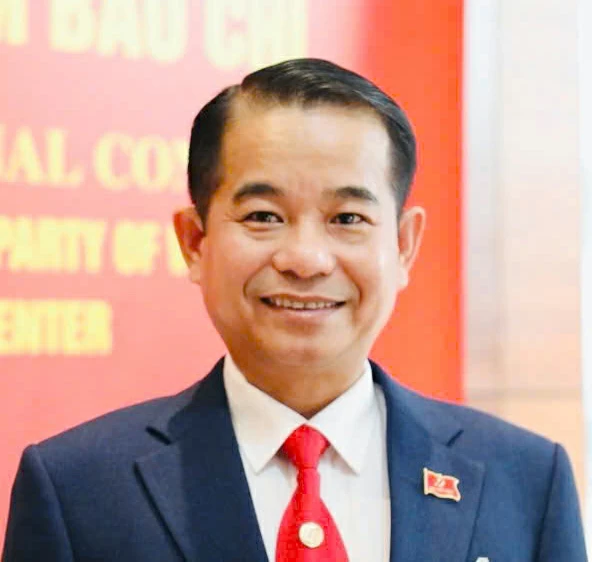 |
Especially, a key priority is ensuring that personnel appointed to the Party Executive Committee and key leadership positions at all levels meet the established standards and conditions. This is essential for building a contingent of cadres with the competence, integrity, and credibility to fulfill their responsibilities. These standards go beyond professional qualifications and experience to include other crucial factors, particularly political criteria, which are given top priority.”
Vice Chairwoman Nguyen Thi Thanh Thuy of Tan Trieu ward People’s Committee: Enhancing interdepartmental coordination for faster public service delivery
 |
“For a case file to be processed smoothly, close coordination and cohesion among the specialized departments within the ward People’s Committee is essential. In this regard, the chairwoman of Tan Trieu ward has proactively convened meetings and introduced specific procedures for file circulation, assigning clear responsibilities to each unit. The key objective is to ensure that, once a citizen’s file is received, it follows a well-defined and regulated path, minimizing delays and avoiding unnecessary administrative obstacles. Rather than requiring residents to visit multiple departments and endure repeated waiting, Tan Trieu ward has taken an integrated approach, actively coordinating internal units to handle each case in a multifunctional and efficient manner. This reform not only helps reduce waiting time but also significantly enhances public convenience and satisfaction.”
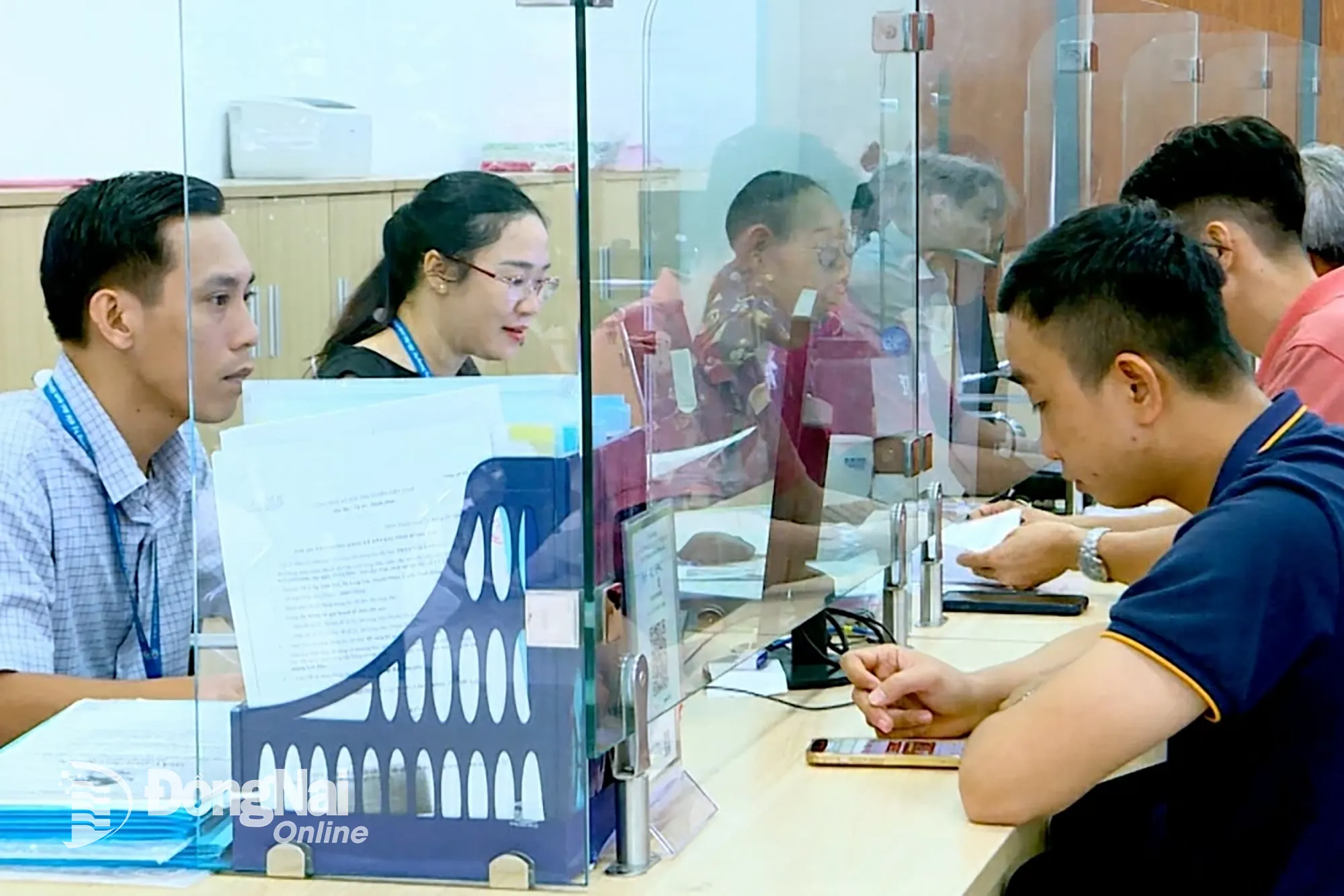 |
Civil servants and public employees working at Dong Nai provincial Public Administration Service Center.
Chairman Huynh Minh Duc of Phuoc An communal People’s Committee: Enhancing community responsibility to build a friendly and people-centered government
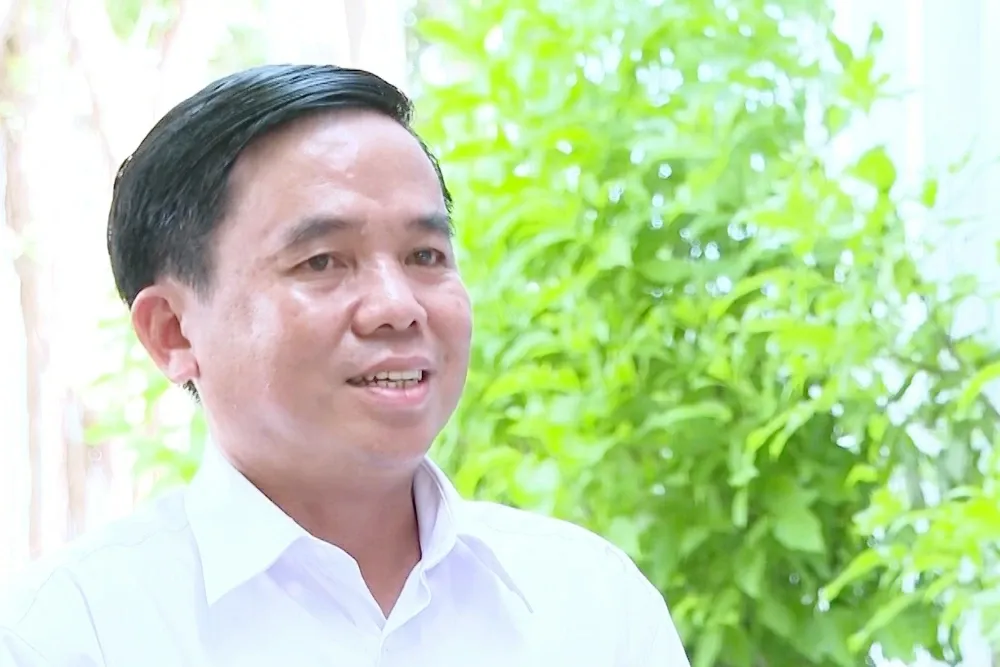 |
“As the two-tier government structure came into operation, the initial days were a challenging time, requiring flexibility and continuous effort from the team of commune-level cadres, civil servants, and public employees.
However, driven by a strong sense of responsibility and solidarity, we are gradually overcoming these challenges and reaffirming our commitment to building a service-oriented administration that remains close to the people. The merger and realignment of administrative boundaries have brought about considerable challenges, particularly in personnel restructuring, infrastructure readiness, and most importantly ensuring uninterrupted administrative services for residents.
In the face of these challenges, the cadres, civil servants, and public employees of Phuoc An commune, driven by a strong sense of community responsibility, have proactively worked to build a friendly and resilient local government. Citizens accessing administrative services have been provided with dedicated support and clear guidance, thereby fostering trust and satisfaction. This serves as an important foundation for the commune-level government to further improve and elevate the quality of public services.”
Vice Chairman Tran Xuan Hien of Bu Dang communal People’s Committee: Continuing to promote effectiveness toward becoming a model of grassroots administrative reform
 |
“Residents coming to complete administrative procedures are assigned a queue number and receive detailed instructions from Youth Union members on how to properly fill out forms or access the National Public Service Portal. Once completed, their documents are received at the appropriate counters and promptly forwarded to the relevant departments for processing.
Since July 1, all administrative procedures have been carried out through the National Public Service Portal. I firmly believe that, with the concerted efforts of the entire political system and the active support of the people, the communal Public Administration Service Center will continue to operate effectively and serve as a model for grassroots-level administrative reform, moving steadily toward a more professional and people-oriented public administration system.”
By T.Minh - P.Tho/Translated by M.Hanh – H.Trang


Thông tin bạn đọc
Đóng Lưu thông tin