These days, Bu Gia Map National Park has once again begun a familiar “conversation”, one that only those deeply connected to this place can truly sense: the story of seasonal change.
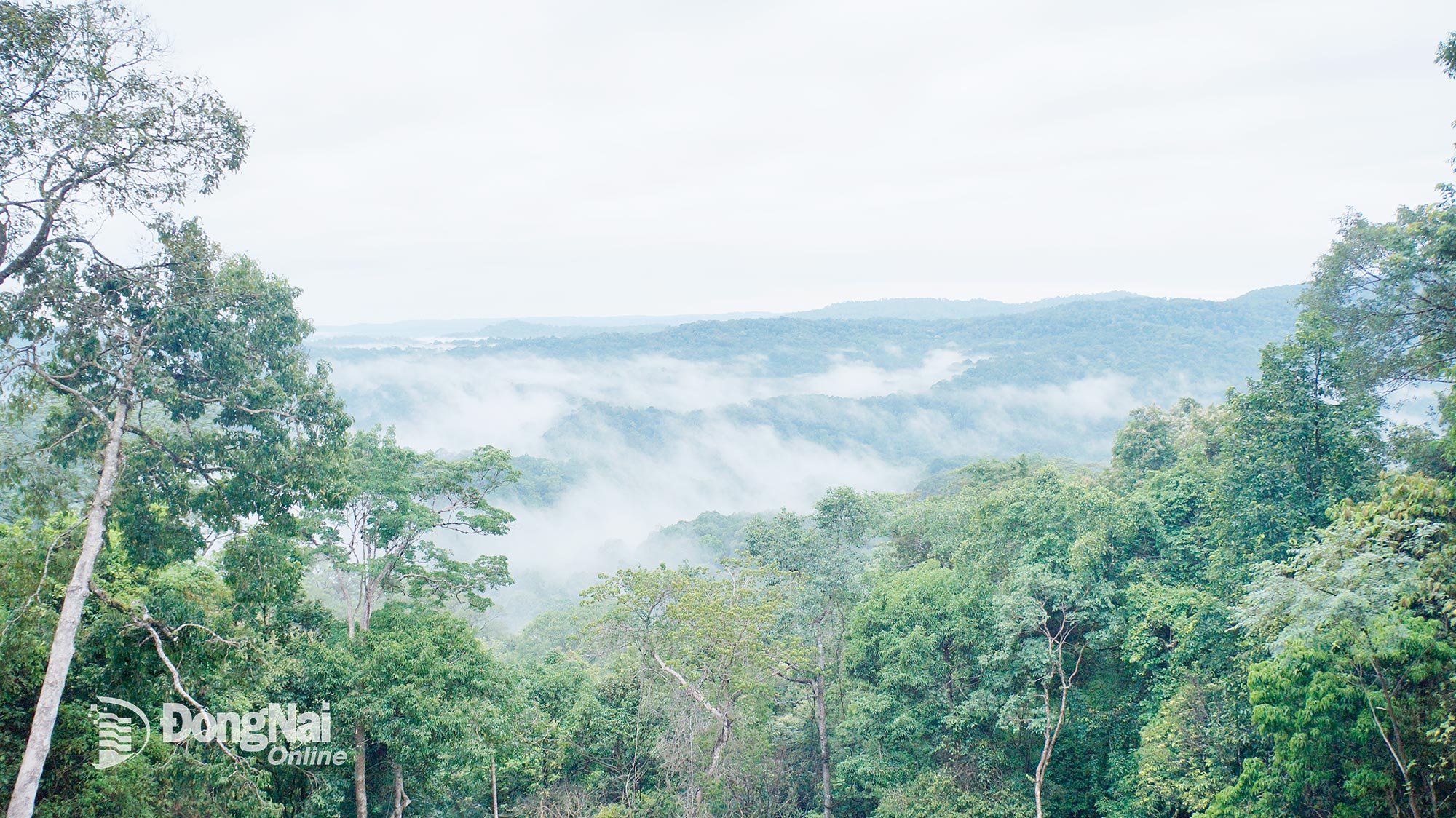 |
| In the morning, Bu Gia Map National Park seems to be shrouded in morning mist |
 |
| Many forest trees are “changing clothes” with patches of colors interwoven across ecological layers. |
 |
| The early leaves of the bang lang (Lagerstroemia speciosa) trees are turning from green to yellow. |
 |
| New leaves of go do (Afzelia xylocarpa) have opened red against the blue sky. This transformation is also a characteristic feature of Vietnam’s 35 national parks. |
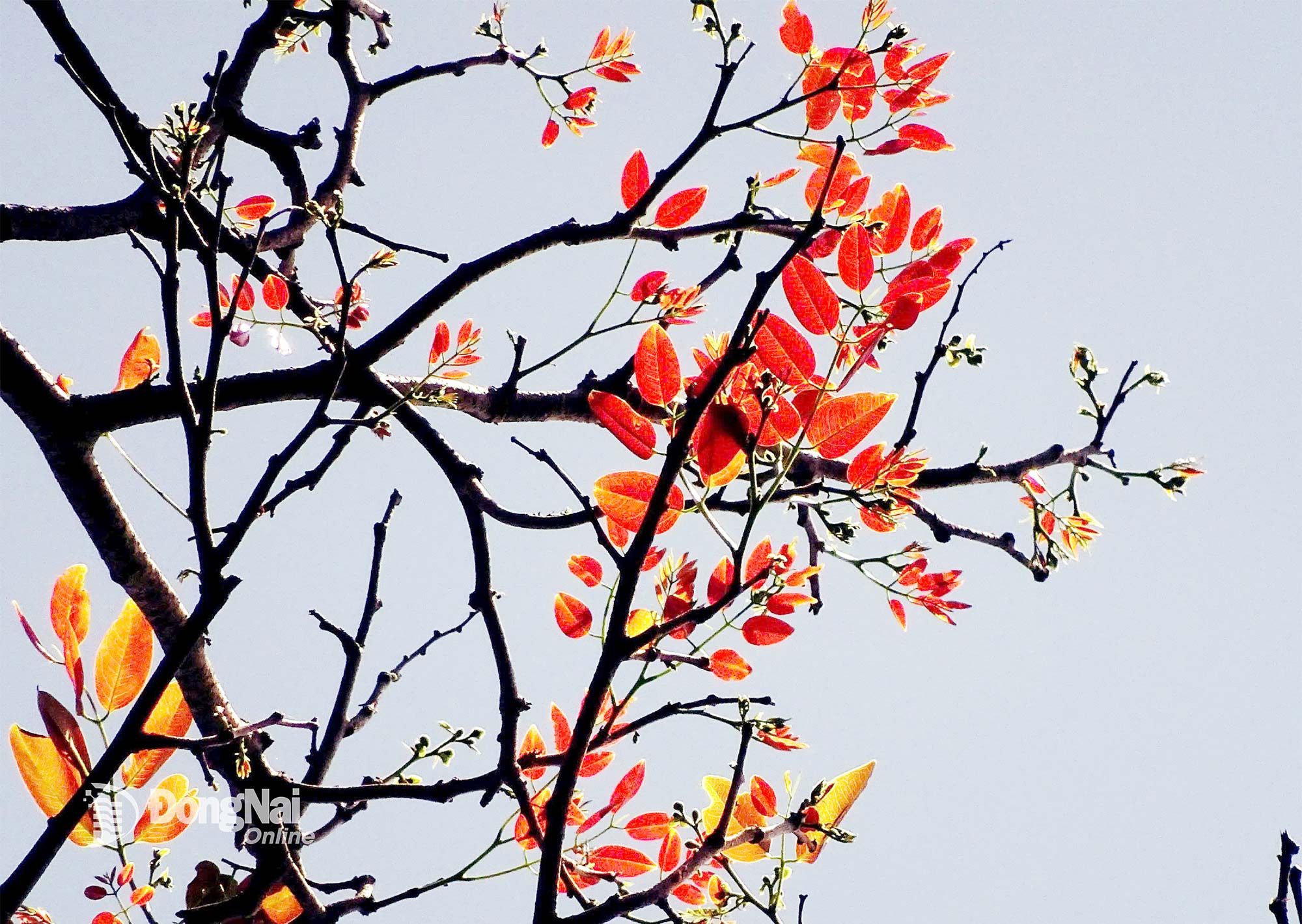 |
| New leaves of go do (Afzelia xylocarpa) have opened red against the blue sky. This transformation is also a characteristic feature of Vietnam’s 35 national parks. |
 |
| New leaves of go do (Afzelia xylocarpa) have opened red against the blue sky. This transformation is also a characteristic feature of Vietnam’s 35 national parks. |
This occasion is also the time when many plant species, including the resin tree (Dipterocarpus alatus), begin their fruiting cycle.
Amid the vast green space, bordering Cambodia on one side and Lam Dong province on the other, the transformation of the old forest is quiet and subtle, yet enough to move visitors’ hearts.
From around November each year, Bu Gia Map National Park enters its most beautiful period. The forest “changes clothes” with patches of interwoven colors across ecological layers, typical of semi-deciduous forests. During the seasonal transition (from rainy to dry season), the scenery here does not change abruptly like elsewhere but unfolds gradually through small shifts.
 |
| The great hornbill (Buceros bicornis), listed in the IUCN Red List and Vietnam's Red Data Book, inhabits Bu Gia Map National Park, Dong Nai province. Photo: Kieu Dinh Thap |
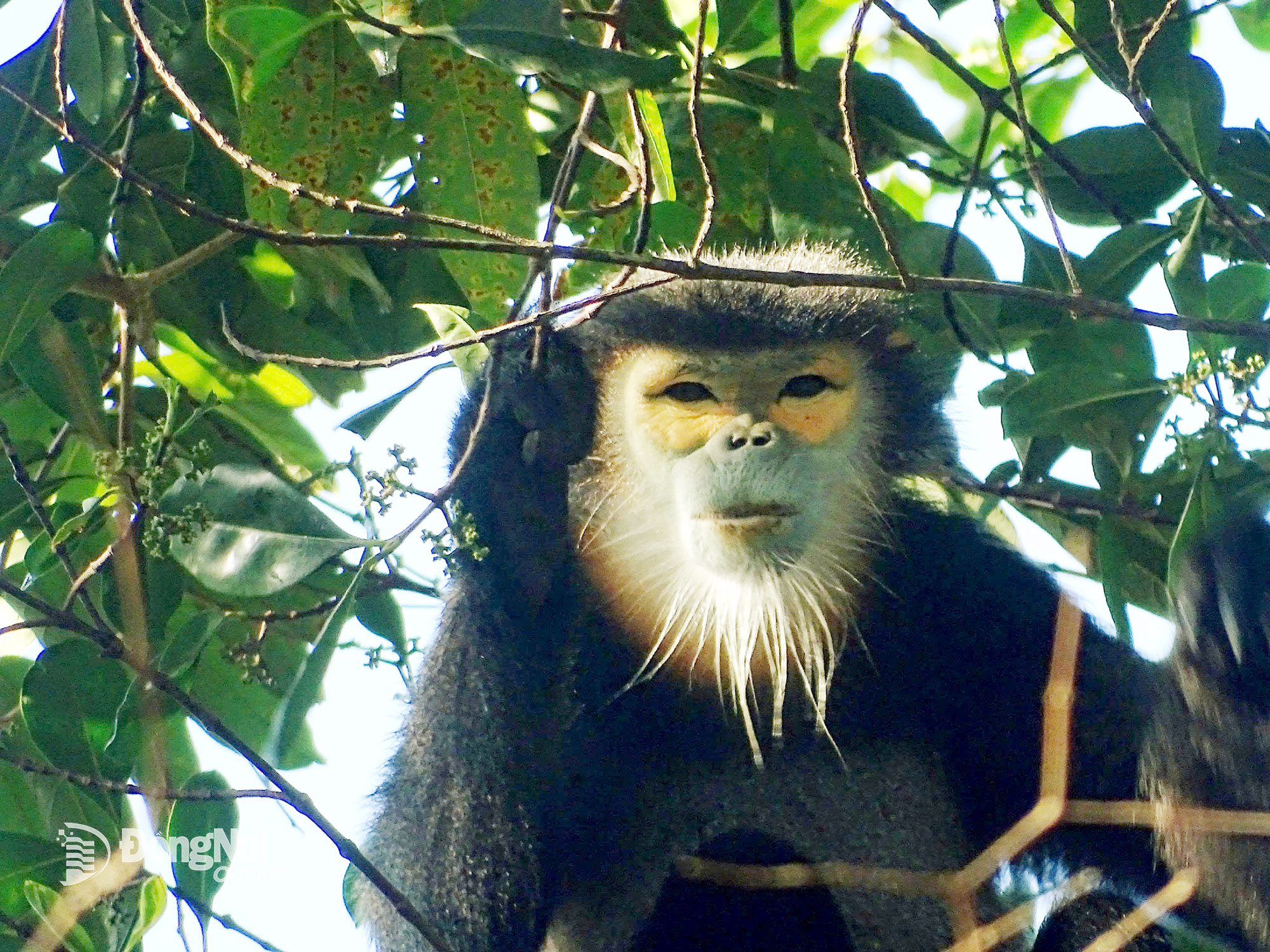 |
| Hidden among tall tree branches are rare and precious animals, including the black-shanked douc langur. |
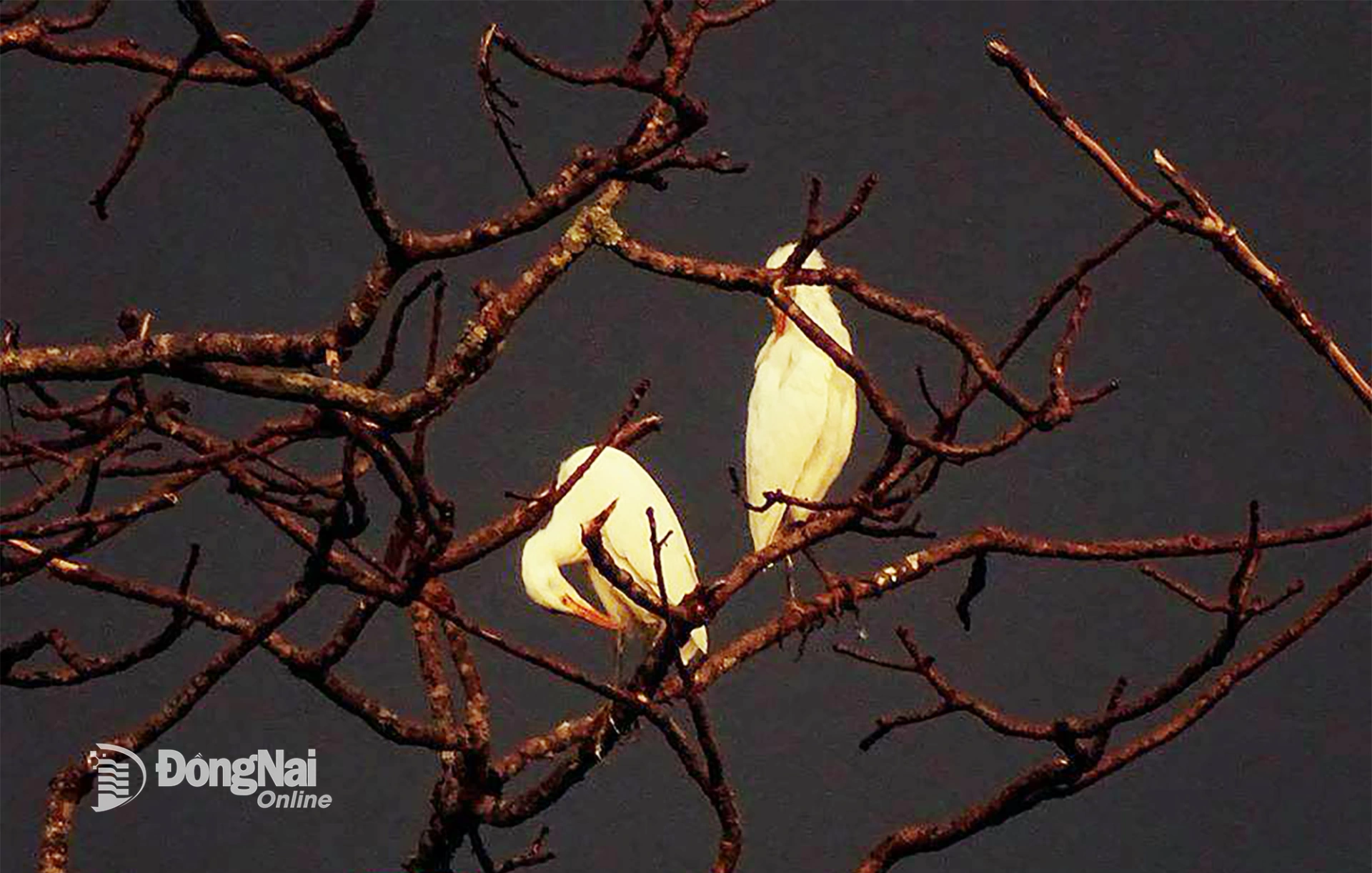 |
| At night, flocks of birds, including egrets, return to their shelters, where nature is protected every day. |
 |
| Groups of tourists visit Bu Gia Map National Park at this time to experience the “voice of the forest” during the seasonal change. |
 |
| For forest rangers and the local S'tieng and M'nong communities living around the buffer zone, the seasonal transition is the time to prepare for forest fire prevention and control. Therefore, monitoring and patrolling are ensured around the clock. |
Though it lasts only a few weeks each year, the seasonal transition here always brings a sense of renewal. It is a harmony of clear sunlight, brisk winds, the earthy scent lingering after rain, and the deep green hues of the ancient forest. It serves as a reminder of nature’s enduring and mysterious cycle, something that even the most advanced science cannot fully articulate in words.
By Le Quyen, Truong Giang – Translated by M.Nguyet, Minho



Thông tin bạn đọc
Đóng Lưu thông tin