
With more than 2 billion Muslim consumers worldwide, the Halal market offers substantial opportunities for Vietnamese products, particularly agricultural produce, processed foods and other value-added goods.
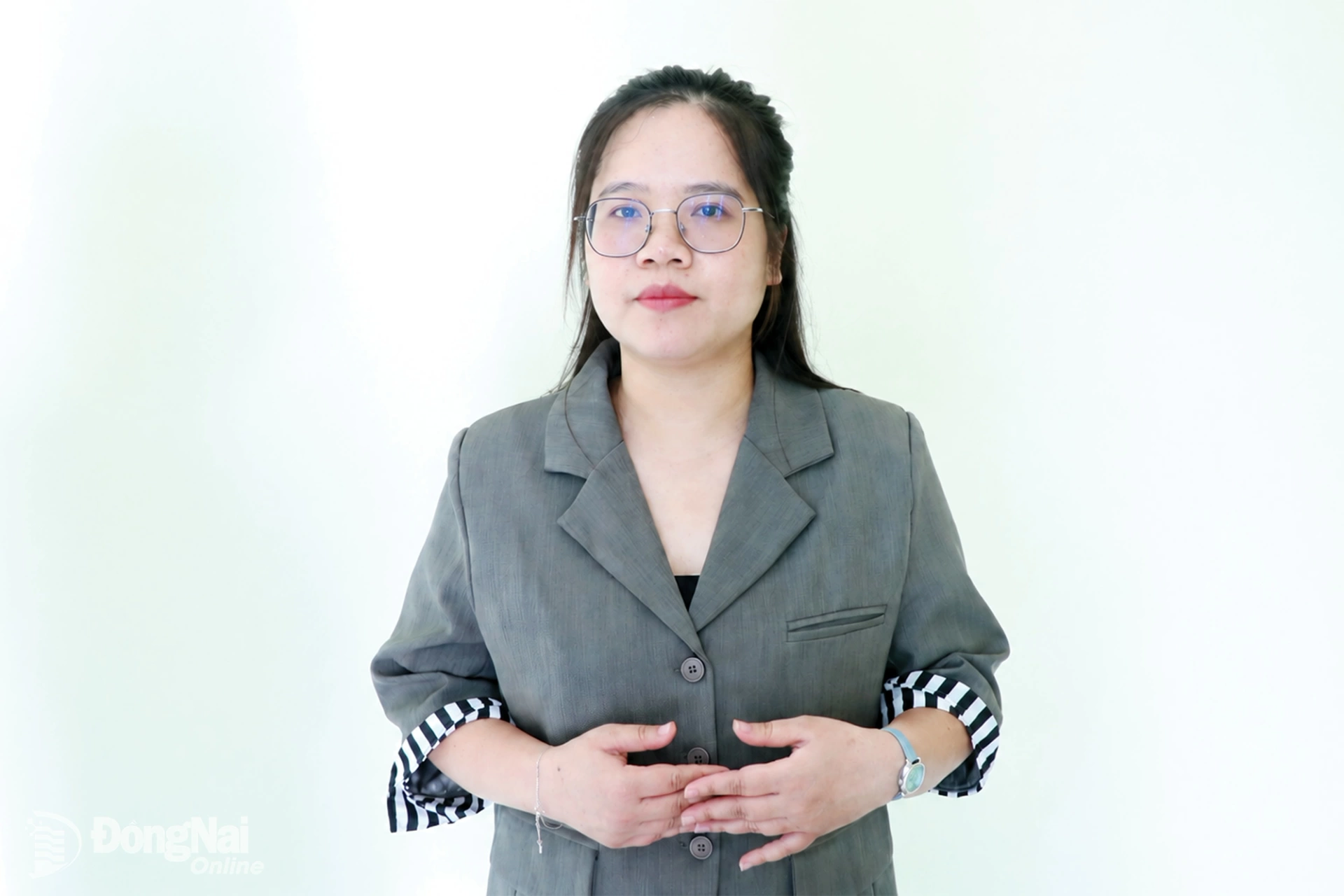 |
| Nguyen Thi Ninh, Deputy Director of Business and Customer Care at GHC Global Halal Certification Co., Ltd. |
In an interview with Dong Nai Newspaper and Radio, Television, Nguyen Thi Ninh, Deputy Director of Business and Customer Care at GHC Global Halal Certification Co., Ltd. (GHC Halal) in Ho Chi Minh City, said Dong Nai is well positioned to participate more deeply in the global Halal value chain. However, businesses need to shift from the mindset of “obtaining Halal certification for export” to proactively developing a Halal strategy from the outset.
A large but demanding market
• How large is the global Halal market, and what are the biggest opportunities for Vietnamese businesses?
The global Halal food and beverage market is currently valued at around US$2 trillion, with approximately 2 billion Muslim consumers worldwide. Other sectors are also growing rapidly. For example, spending on Muslim-friendly tourism reached around US$249 billion in 2024 and is forecast to rise to US$424 billion by 2029.
This is a huge market, but Vietnam has yet to fully tap into its potential. The greatest opportunities lie in sectors where Vietnam already has strengths, including agriculture, seafood, coffee, rice, processed foods, cosmetics and tourism. The issue is not whether Vietnam has products to offer, but whether businesses can meet Halal standards and understand the market's needs and cultural norms. If they can address these two requirements, Halal could become a significant avenue for Vietnamese businesses to expand exports.
• What key requirements must Vietnamese products meet to enter the Halal market?
— In my view, there are four key requirements. First, raw materials must be Halal and must not contain Haram or Najis ingredients. In particular, animal-derived ingredients must meet requirements regarding their origin and Halal slaughter. Second, the entire production and processing process must be controlled to ensure hygiene and prevent cross-contamination with non-Halal substances. Third, packaging, storage, transportation and traceability must preserve the Halal integrity of the products.
Finally, businesses need Halal certification that is appropriate for their target market. This is particularly important because different markets may have different requirements, standards and recognition mechanisms. Businesses should not assume that simply obtaining Halal certification is enough to gain access to an export market.
They need to identify the target market first, understand its requirements and make preparations from raw materials and production processes through to certification.
• What should be done to develop a Halal ecosystem, from raw material areas and production to certification and connections with importers?
-To build a Halal ecosystem, we need a complete value chain covering raw material supply, production, certification, logistics and market access.
First, we need to develop Halal-compliant raw material areas and supplier networks so that businesses can secure stable supplies and maintain control from the outset.
Next, businesses need to standardize production capacity, establish Halal management systems, and develop competent assessment and certification organizations recognized by international markets. The Government's Decree No. 127/2026/ND-CP has also provided an additional legal basis for managing quality and developing Halal products and services in Vietnam.
But most importantly, the Halal ecosystem cannot stop at certification. We need to connect businesses with importers, distribution networks, Halal organizations and target markets, while helping them understand the consumer preferences, cultural norms and specific requirements of each market.
• How should Vietnamese businesses change their approach to the Halal market to avoid missing out on opportunities?
-First of all, businesses need to change their mindset. Halal should not be viewed simply as a certification for export, but as a market-entry strategy. Businesses need to proactively study the needs, culture and regulations of each Muslim market while standardizing everything from raw materials and production processes to supply chains, packaging, labeling and Halal certification.
More importantly, businesses should not wait until they receive an order before pursuing Halal certification. They need to prepare early, identify the right target markets and develop suitable products from the outset.
We need not only to develop Halal products but also to build an ecosystem that connects Vietnamese products from raw material supply and production to international markets and consumers. This is the foundation for making Halal a sustainable and long-term driver of Vietnam's development.
Dong Nai well positioned to tap into Halal market
• From Dong Nai's perspective, what advantages provide a foundation for local businesses to enter the Halal market?
-In my view, Dong Nai has clear advantages, with a strong production and export base, particularly in agriculture, food processing and a wide range of products with potential to join the Halal supply chain. Dong Nai also enjoys a particularly favorable location in the southern key economic region, with direct connections to Ho Chi Minh City, seaports and major logistics centers. In particular, Long Thanh International Airport will further strengthen the city's connectivity with ASEAN, Middle Eastern and other international markets.
Therefore, Dong Nai has both the “supply base” and “connectivity infrastructure” needed to develop the Halal sector.
The city does not need to build a Halal industry from scratch. Instead, it needs to turn its existing production strengths into Halal-compliant products, gain a better understanding of target markets and proactively participate in the global Halal supply chain.
This is an important foundation for Dong Nai businesses to seize opportunities in the Halal market in the coming period.
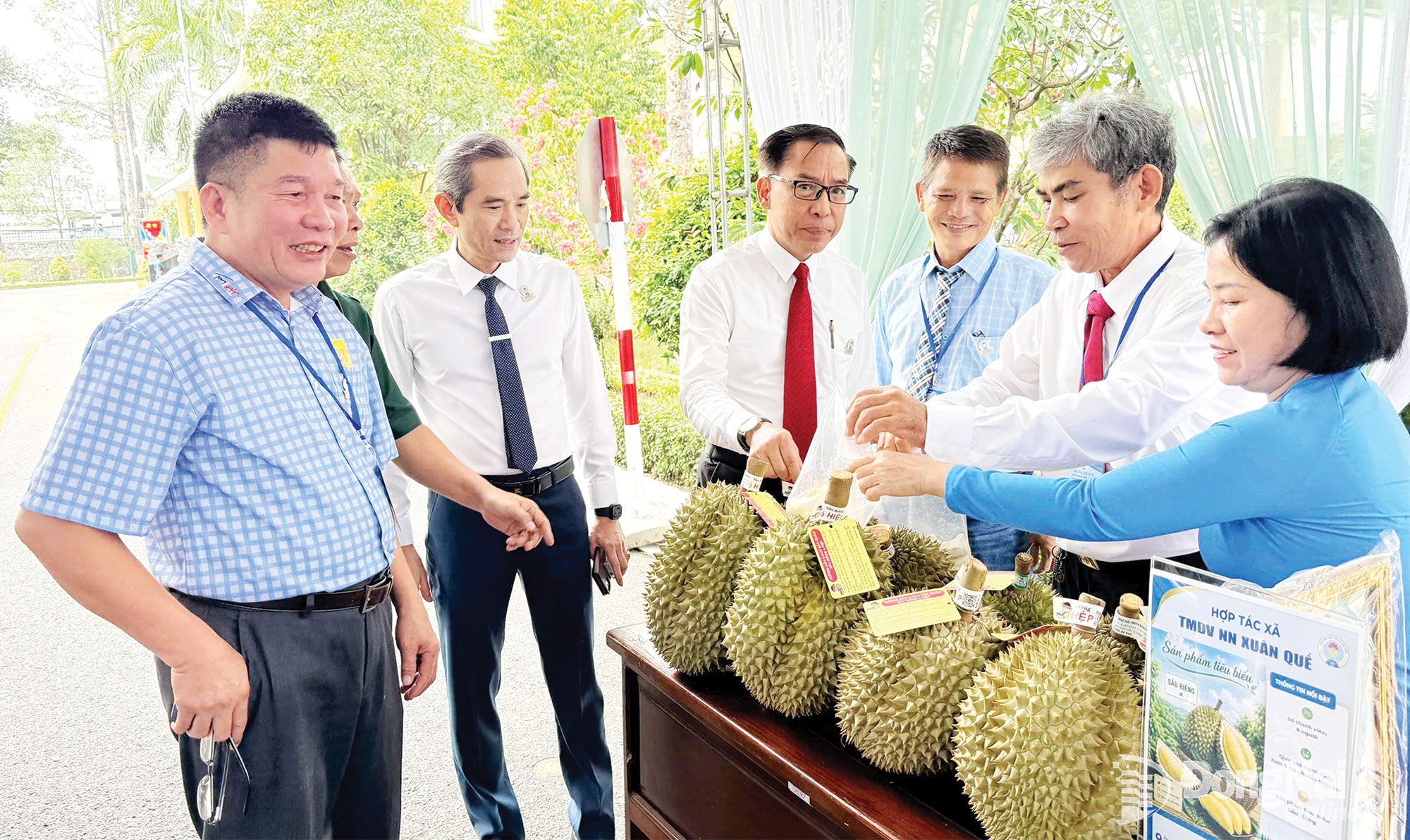 |
| Dong Nai has a wide range of agricultural products with export potential in the Halal market. |
• Which Halal products and markets should Dong Nai prioritize to create an export breakthrough?
-Dong Nai should start with products in which it has strengths and a distinctive local identity, such as bananas, pomelos, mangoes, durians, cashew nuts, coffee, pepper, honey and processed foods made from agricultural products. These products benefit from strong local raw material supplies and are relatively well aligned with current Halal consumption trends.
Malaysia and Indonesia should be priority markets for agricultural products, processed foods and beverages. In Singapore, in addition to Halal requirements, consumers have high expectations regarding quality, food safety, packaging and convenience.Meanwhile, the Middle East has strong purchasing power and is well suited to high-quality food products, fruits, coffee and value-added processed foods.
• What message would you like to send to Dong Nai businesses preparing to enter the Halal market?
- Businesses should not view Halal simply as a market exclusively for Muslims. Instead, they should see it as a gateway to new markets.
Dong Nai already has products, production capacity and strong connectivity. What businesses need to do now is proactively study the market, standardize their products and build Halal capacity from the outset, rather than waiting for orders before taking action.
The Halal opportunity is opening up, but it will belong to businesses that prepare early. I believe that, with their existing foundation, Dong Nai businesses can turn locally branded products into competitive offerings in the international Halal market.
By V. The – Translated by M.Nguyet, Thu Ha


Thông tin bạn đọc
Đóng Lưu thông tin