
With the goal of achieving an annual state budget revenue growth of at least 10% in the coming years, Dong Nai province is nurturing and developing sustainable revenue sources to ensure stable budget growth.
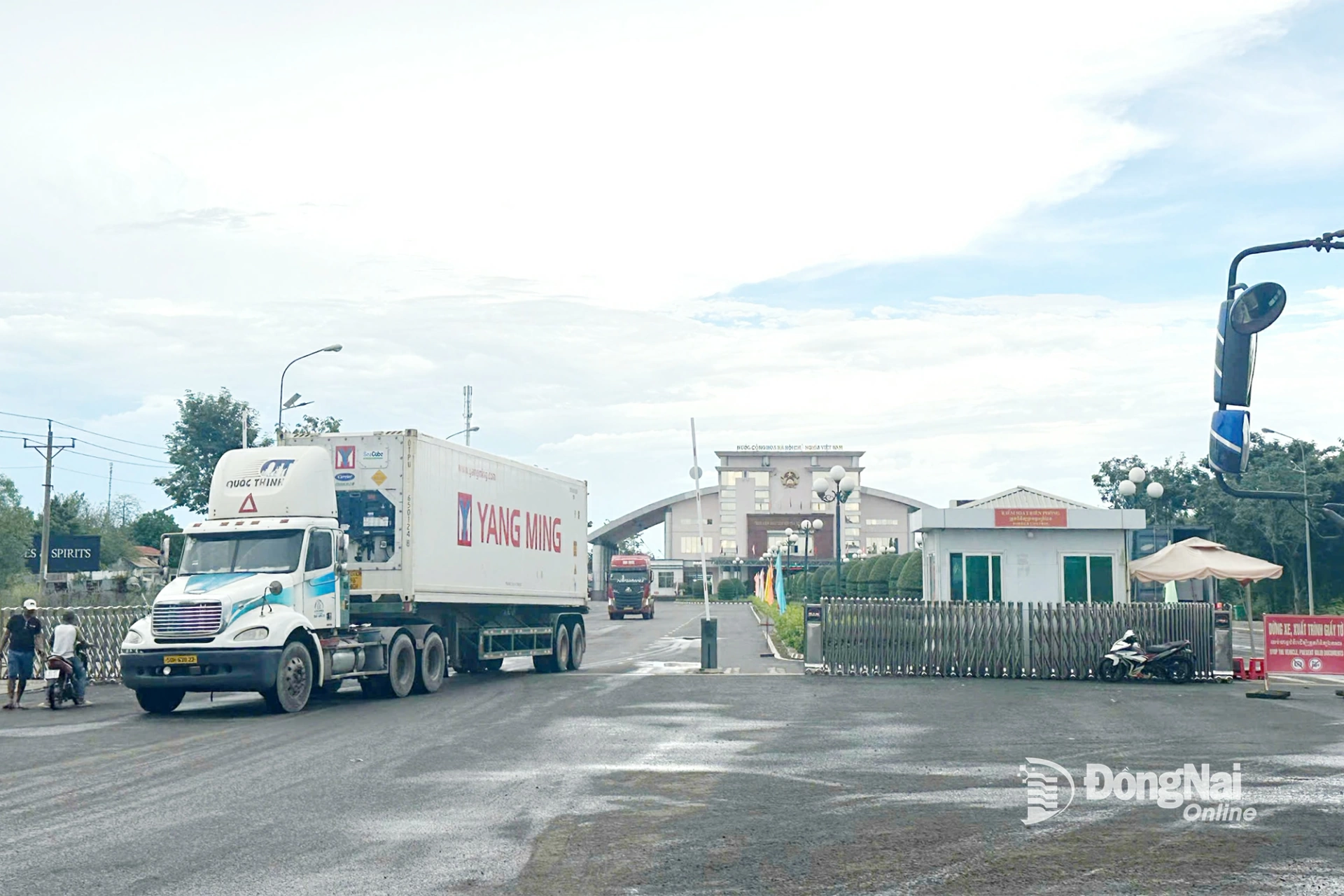 |
| Goods import and export activities at Hoa Lu International Border Gate, Dong Nai province. Photo: Ngoc Lien |
In 2025, with a target of VND 100 trillion in budget revenue, tax and customs authorities are implementing effective collection measures to ensure accurate, sufficient, and transparent collection, while preventing revenue losses across all sectors.
According to the Provincial Statistics Office, budget collection has basically met assigned progress. Positive factors contributing to the increase include contractor tax arising from foreign contractors engaged in infrastructure projects; large corporate income tax payments from enterprises involved in real estate transfers; additional revenue from capital transfers of foreign-invested enterprises (FDI); and substantial tax arrears collected following inspection and audit conclusions.
Revenue from central and local state-owned enterprises (SOEs), FDI firms, and land-related sources continue to be key components of domestic budget collection. Notably, all these sources have posted impressive growth over the past nine months. Compared with the same period last year, revenue from central SOEs increased by 21%, local SOEs by 70%, FDI firms by 32%, and land and property-related sources by 23%.
Regarding state budget revenue from import–export activities, representatives from the Regional Customs Sub-department No. 18 (RCSD 18) reported that Dong Nai’s socio-economic situation showed positive signs in the third quarter of 2025. One of the main reasons behind the budget increase was the growth of taxable import turnover, up by more than USD 401 million, resulting in nearly VND 958 billion in additional tax collected compared with the same period in 2024. Key product groups contributing to the rise included base metals (up over 20%), plastic products (up over 40%), and wood and wood products (up nearly 34%).
To fulfill import–export budget collection tasks, the RCSD 18 is accelerating efforts to meet statutory and key targets for 2025. The sub-department is implementing comprehensive measures, particularly those facilitating trade, enhancing state management efficiency, and preventing state budget revenue loss. It is also tightening tax debt management, tax recovery, and anti-evasion measures. The process of tax exemption, reduction, refund, and non-tax collection for enterprises has been strictly directed by the sector leaders to ensure compliance with regulations, proper targeting, and the prevention of any tax revenue losses.
Local authorities at all levels, residents, and enterprises across the province must tighten the management of state budget revenues and expenditures. The business community is encouraged to promote innovation, creativity, and proactiveness in production and business activities, thereby contributing positively to the state budget. Meanwhile, citizens are urged to practice thriftiness and enhance their awareness of legal compliance, particularly in fulfilling their tax obligations.
Comrade Vo Tan Duc, Deputy Secretary of the Provincial Party Committee and Chairman of the Dong Nai People’s Committee.
Especially, since July 2025, import–export activities in Dong Nai have increased significantly following the provincial merger. The expanded development space has created new momentum for the logistics system. Key export markets such as the United States, Japan, and South Korea continue to show stable growth. The RCSD 18 has proactively implemented synchronized solutions to facilitate trade while ensuring discipline and compliance in customs management.
Sharing the determination to boost domestic budget revenues in the coming period, Director of the Dong Nai Tax Department (DNTD) Nguyen Toan Thang said that the tax sector is focusing on implementing solutions aimed at developing sustainable revenue sources. In carrying out these measures, the DNTD aligns revenue collection tasks with efforts to support and address difficulties faced by businesses and taxpayers. The management and exploitation of revenue sources, prevention of revenue losses, and recovery of tax arrears continue to be strengthened, thereby maintaining the pace of budget collection and ensuring financial resources for the province’s socio-economic development.
According to Nguyen Toan Thang, many enterprises whose headquarters are located outside Dong Nai while their branches operate within the province have yet to register independent accounting in Dong Nai, thus not contributing directly to the province’s state budget revenue. Therefore, the tax sector is compiling a list and will encourage these businesses to carry out independent accounting registration in Dong Nai in the near future. This will serve as one of the province’s sustainable revenue sources while also reflecting corporate responsibility toward the localities where they are operating and receiving support for effective business performance and local security maintenance.
By Ngoc Lien – Translated by M.Nguyet, Thu Ha


Thông tin bạn đọc
Đóng Lưu thông tin