
The Urban Development Law (UDL) sets out a range of mechanisms for developing science and technology, innovation and digital transformation, covering resources, research, startups, technology commercialization, data and artificial intelligence, along with specific powers for cities in putting them into practice.
Article 30 of the UDL provides for mechanisms, policies and powers for cities to develop science and technology, innovation and digital transformation. The provisions focus on resources, research, technology commercialization, innovative startups, data governance, artificial intelligence applications, technical standards and support for businesses.
Flexible resource allocation to promote research and technology commercialization
 |
|
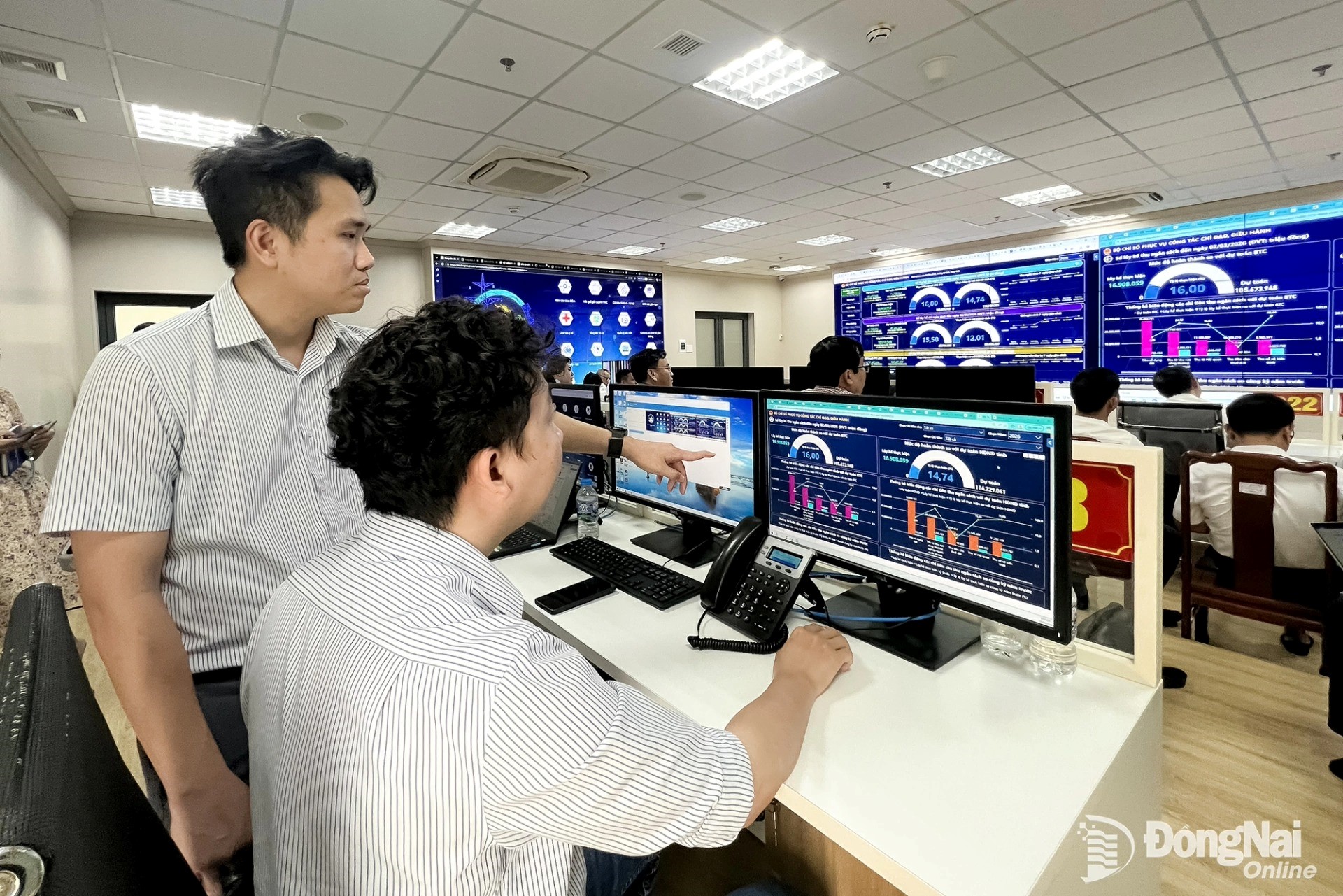
Information technology specialists of VNPT Dong Nai operate the control panel at the Dong Nai IOC Center in Tran Bien ward. Photo: Hai Quan |
Under Article 30, the City People’s Council is empowered to introduce mechanisms and policies suited to the city’s development conditions, while ensuring that science and technology, innovation and digital transformation are integrated into policymaking, state management and socio-economic development.
The implementation of these policies must focus on addressing the city’s major challenges while attracting and effectively utilizing human resources in science and technology, innovation and digital transformation through preferential policies.
Article 30 also requires risk management in science and technology, innovation and digital transformation activities within the city.
For state budget funds allocated to these areas, their allocation and use must be flexible, timely, effective and transparent, and based on measurable outcomes. These resources are linked to targets for economic growth, digital transformation, improved labor productivity, enhanced competitiveness and more effective urban management.
On this basis, the city People’s Council shall establish preferential mechanisms and policies in support of the development of infrastructure, innovation systems and organizations operating in science and technology, innovation and digital transformation within the city.
The City People’s Council shall also establish criteria, mechanisms and policies for the development of urban areas dedicated to science, technology and innovation.
Another important group of provisions covers policies supporting scientific research, technology development and innovation. These include the establishment and development of internationally accredited research centers; technology transfer; the establishment, exploitation and protection of intellectual property rights; innovative startups; and activities related to innovation and digital transformation.
The policies also cover incubation activities, the operation of spin-off companies, the commercialization of scientific and technological products and research results; the production, trading and export of digital technology products; the development of digital assets; and preferential remuneration for those carrying out the city’s science, technology and innovation tasks.
Article 30 also provides for the organization, operation and management of the city’s Science, Technology and Innovation Development Fund.
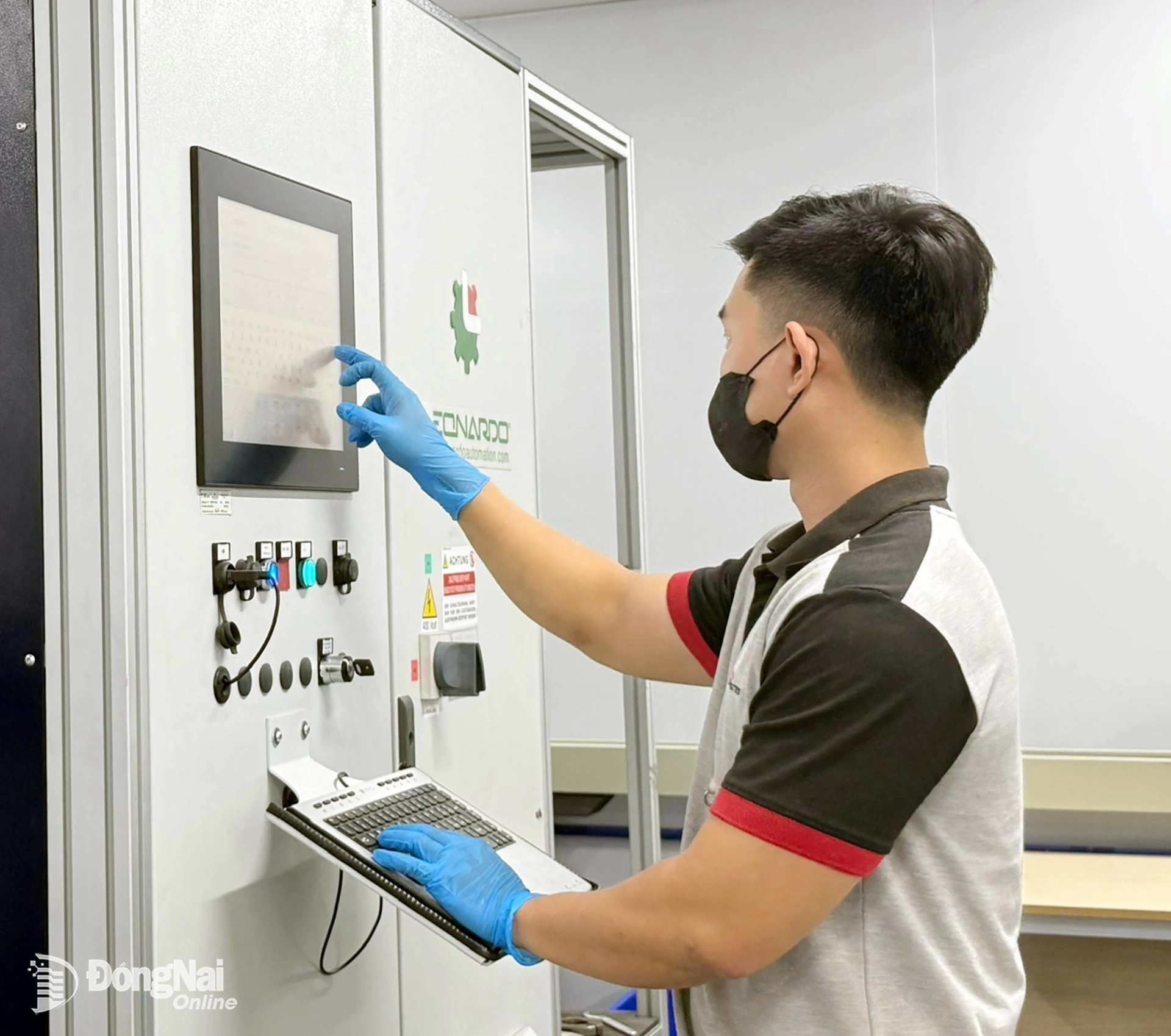 |
| Technology is applied in production at Action Composites Hightech Industries Co., Ltd. in Nhon Trach 3 Industrial Park (IP). Photo: Hai Quan |
For science and technology development fund established by businesses, organizations and public non-business units, the City People’s Council shall regulate the use of the fund to contribute to the city’s Science, Technology and Innovation Development Fund. Priority support will also be provided to contributors to carry out science, technology and innovation tasks, projects and schemes.
Another provision allows the direct assignment of science, technology, innovation and digital transformation tasks and projects, as well as the direct appointment of contractors for digital technology application projects funded by the city budget.
Notably, the City People’s Council shall determine the fields, criteria, conditions, procedures, forms and levels of non-refundable support from the city’s recurrent budget for costs associated with incubating innovative startup projects.
Eligible expenditures specifically include costs for organizing project selection activities, hiring experts, direct labor, innovation and startup support services, and the use of technical facilities, incubators, innovation centers, innovative startup support centers and co-working spaces.
Article 30 also provides for additional charter capital for the city’s Venture Capital Fund.
Greater autonomy in data governance and digital technology
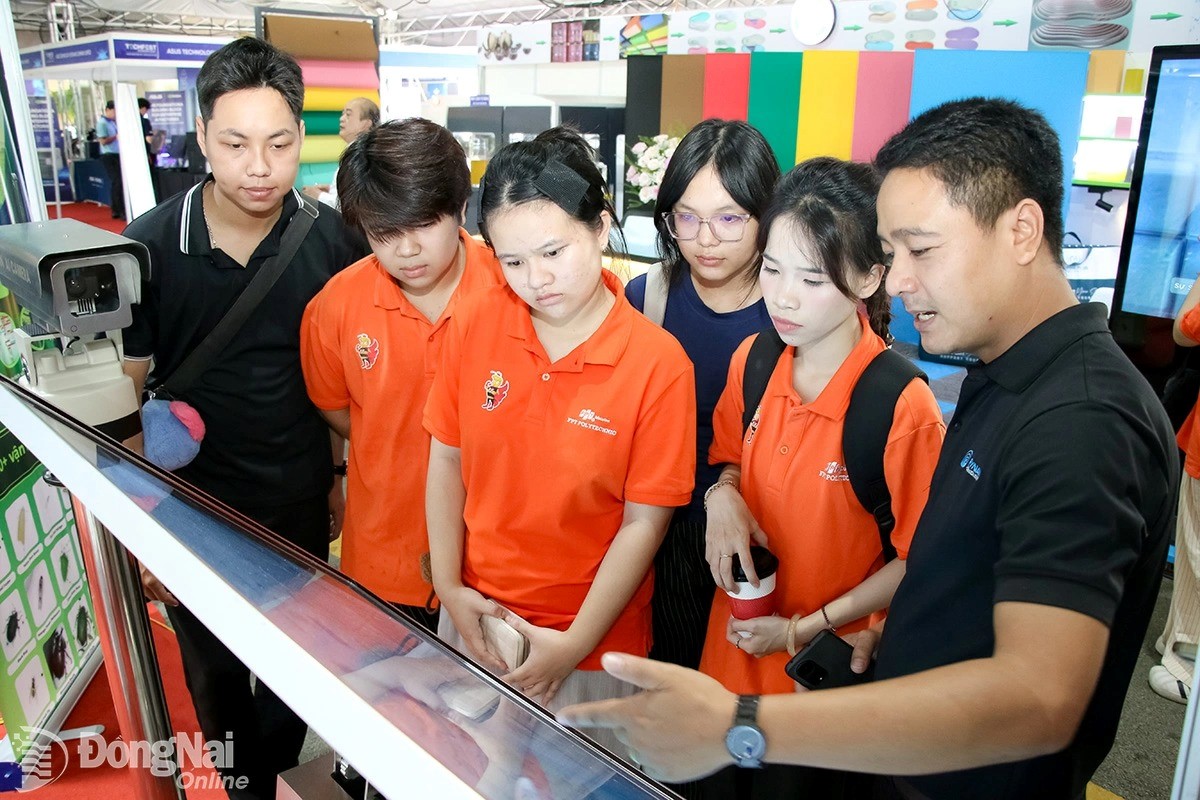 |
| Young people explore digital technology booths at Techfest Dong Nai 2025. Photo: Hai Quan |
The city People’s Committee shall determine expenditures for science, technology and innovation tasks, projects and schemes funded by the city budget. It shall also regulate the mobilization and use of resources from donations, support, public-private partnerships and other forms of cooperation in science and technology, innovation and digital transformation.
With regard to data, the City People’s Committee shall regulate the development, creation, management and exploitation of the city’s shared databases, ensuring interoperability and connectivity with Central state management agencies.
This will be accompanied by advanced governance based on digital data, the application of digital technologies and artificial intelligence, and a mechanism for public-private data sharing through data exploitation contracts.
The City People’s Committee shall also regulate safety assurance, risk management and the application of artificial intelligence in state management within the city.
In terms of technical standards and regulations, the city is empowered to issue technical regulations and announce standards in fields where higher requirements are needed or where national technical regulations or standards are not yet available. It may also select, recognize and apply advanced foreign, regional and international standards.
However, implementation must ensure technical interoperability and data connectivity with central state management agencies, other localities and the national system of technical regulations and standards, while avoiding barriers to production, business and trade.
The City People’s Committee is also empowered to invest in and procure shared assets, equipment and facilities, and assign their management, use and exploitation to entities not under the local authorities’ management to support science, technology, innovation and digital transformation activities.
By clearly defining the powers of the city People’s Council and People’s Committee, Article 30 identifies the areas in which the city is empowered to take the initiative in policymaking and implementation for science and technology, innovation and digital transformation, while setting out specific requirements on resources, governance, data, safety and connectivity.
Article 30 also provides a separate procedure for selecting service and goods providers for science, technology, innovation and digital transformation tasks and projects funded by the city budget. Accordingly, organizations and individuals carrying out these tasks and projects may use a shortened procedure for contractor appointment to select service and goods providers, except in cases of direct procurement as prescribed by law.
For the business community, Article 30 provides that enterprises headquartered in the city may use their science and technology development funds to invest in the city’s Venture Capital Fund in accordance with regulations issued by the City People’s Council.
Article 30 sets out a relatively specific system of mechanisms, policies and powers concerning science and technology, innovation and digital transformation. Its provisions cover a broad range of areas, from infrastructure and innovation system development, scientific research, technology development and transfer, intellectual property and innovative startups to the commercialization of research results, data management, artificial intelligence applications and the development of relevant funds.
The law also provides for flexible allocation and use of budget funds, mobilization of non-budgetary resources, support for innovative startup project incubation, direct assignment and contractor appointment for certain tasks and projects, and simplified procedures for selecting service and goods providers for city-funded projects.
The provisions on science and technology, innovation and digital transformation are also linked to requirements for risk management and safety assurance, data interoperability and connectivity with state management systems at the central level and in other localities. The issuance and application of technical regulations and standards must also ensure that they do not create barriers to production, business and trade.
By H. Thanh – Translated by M.Nguyet, Thu Ha


Thông tin bạn đọc
Đóng Lưu thông tin