
On the morning of December 16, the Dong Nai Department of Agriculture and Environment, in coordination with the People’s Committee of Binh Phuoc ward, held a conference to review the implementation of the Aquaculture Development Program for the 2021-2025 period, with a vision toward 2030, in the province.
After five years of implementing the Aquaculture Development Program for the 2021-2025 period, with a vision toward 2030, the aquaculture sector in Dong Nai province has recorded many positive changes, gradually harnessing the potential of aquatic surfaces more effectively while linking economic development with the protection of the ecological environment.
 |
| Delegates attend the conference. Photo: Van Doan |
According to the provincial agricultural sector, Dong Nai currently has over 28,000 hectares of inland water surface, with approximately 18,000 hectares suitable for aquaculture and fisheries exploitation. This feature represents a significant advantage for the development of freshwater aquaculture, particularly in irrigation and hydropower reservoirs such as Thac Mo, Can Don, Srok Phu Mieng, and Phuoc Hoa. However, before 2021, aquaculture and fishing activities remained fragmented, and their efficiency did not fully reflect the province's potential.
Nguyen Thi Huynh Le, Director of the Dong Nai Provincial Center for Agricultural Services, stated: “Dong Nai has a great deal of advantages and potential for aquaculture development. In the coming period, the center will continue to provide legal and technical support, supply quality broodstock, strengthen community-based fisheries groups, and promote market linkages, aiming toward sustainable aquaculture development and long-term efficiency.”
 |
 |
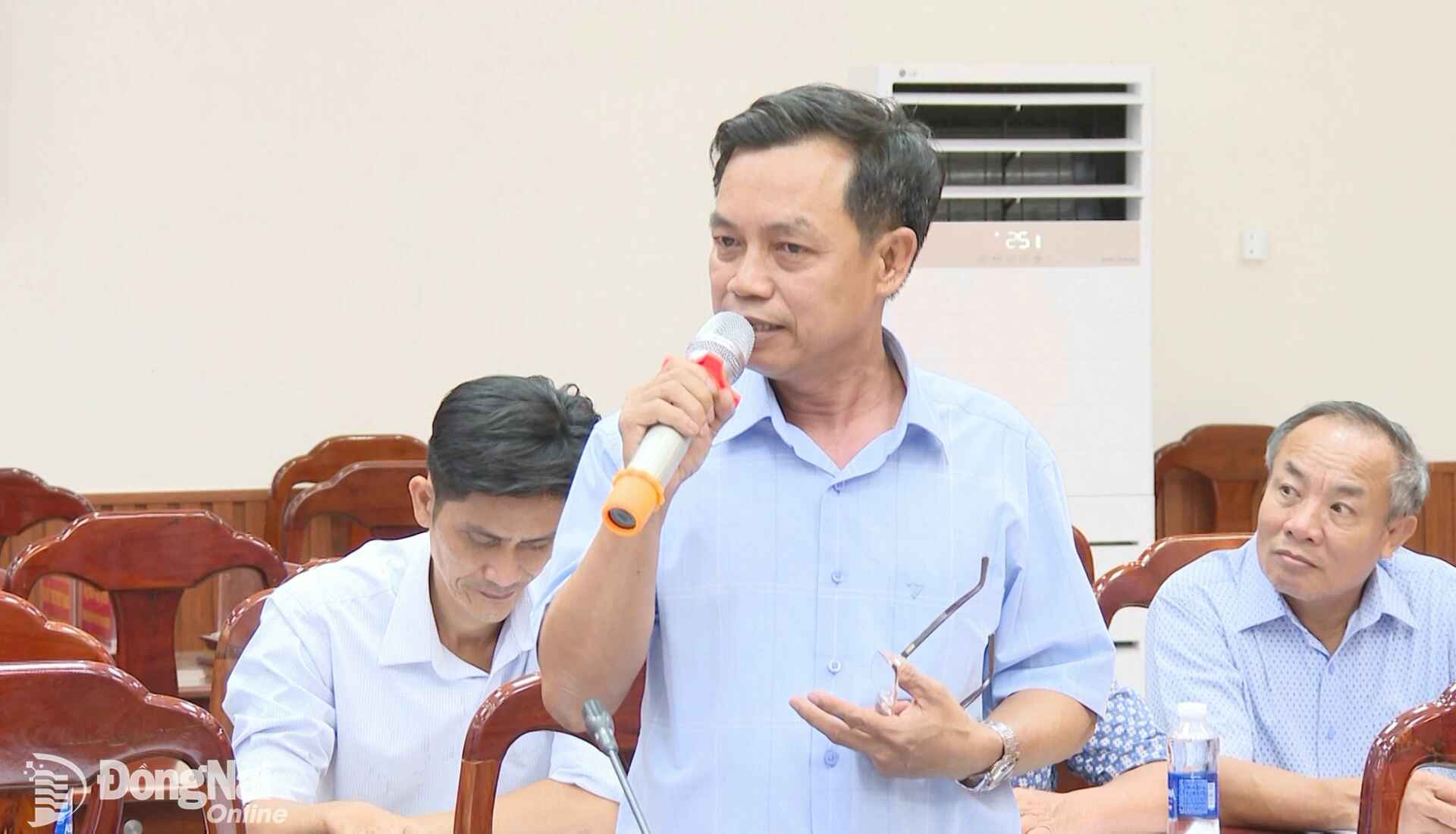
| Representatives of community-based fisheries groups and aquaculture extension clubs across Dong Nai discuss and exchange views at the conference. Photo: Van Doan |
During the 2021–2025 period, the Aquaculture Development Program has focused on key tasks, including restoring and regenerating aquatic resources, supporting the operations of community-based fisheries groups, gradually replacing destructive fishing gear with lawful alternatives, and organizing the periodic release of fingerlings into major reservoirs. The program's total budget exceeded 3.2 billion VND, with most of the funding allocated to public service activities and direct support for residents.
Notably, 14 community-based fisheries groups have been maintained and have played an active role in managing and protecting local aquatic resources. Public awareness of sustainable exploitation and the protection of marine ecosystems has steadily improved. Various models of cage aquaculture and the farming of high-value specialty fish, incorporating technical advances, have helped raise incomes and generate stable employment for approximately 650 workers in the aquaculture sector.
Nguyen Huu Suong, head of the community-based fisheries group in Da Kia commune, Dong Nai province, stated: “The Aquaculture Development Program for the 2021–2025 period has helped fisheries groups operate in a more structured manner, raised public awareness of aquatic resource protection, and encouraged more sustainable exploitation. The periodic release of fingerlings and the replacement of destructive fishing gear with lawful equipment have contributed to the recovery of aquatic resources in reservoirs. I hope that authorities at all levels will continue to provide support mechanisms and strengthen market linkages, enabling fishers to remain committed to their livelihoods over the long term.”
Alongside its achievements, the program has also faced several challenges. Specifically, aquaculture areas have shown a tendency to decline due to reliance on rainwater sources, high investment costs, and the limited development of product distribution linkages. Additionally, new regulations governing the management of reservoir water surfaces have made residents hesitant to invest in large-scale fish farming.
At the conference, delegates exchanged views, discussed these issues, and proposed various solutions to promote the sustainable development of Dong Nai’s aquaculture sector.
 |
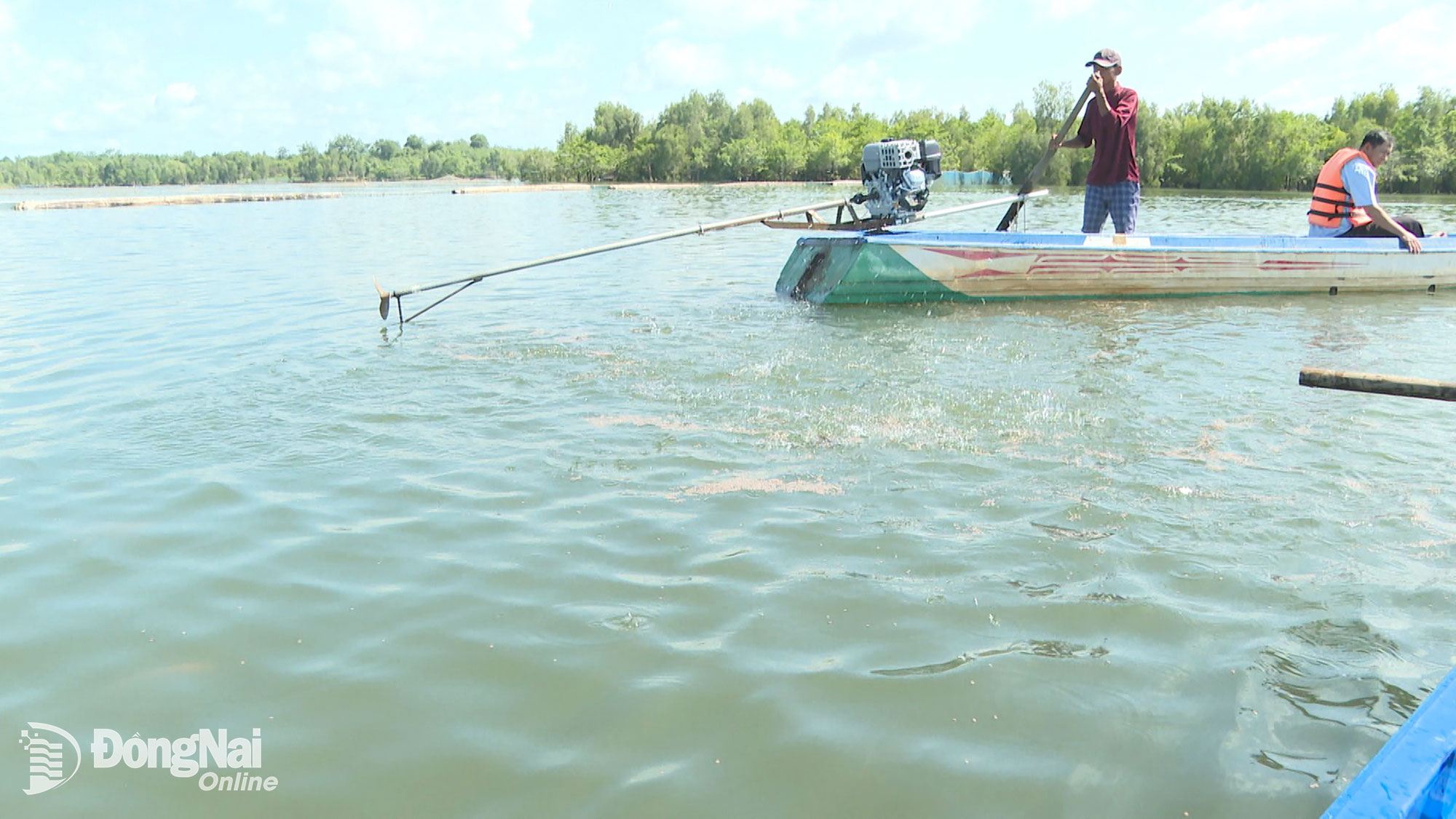 |
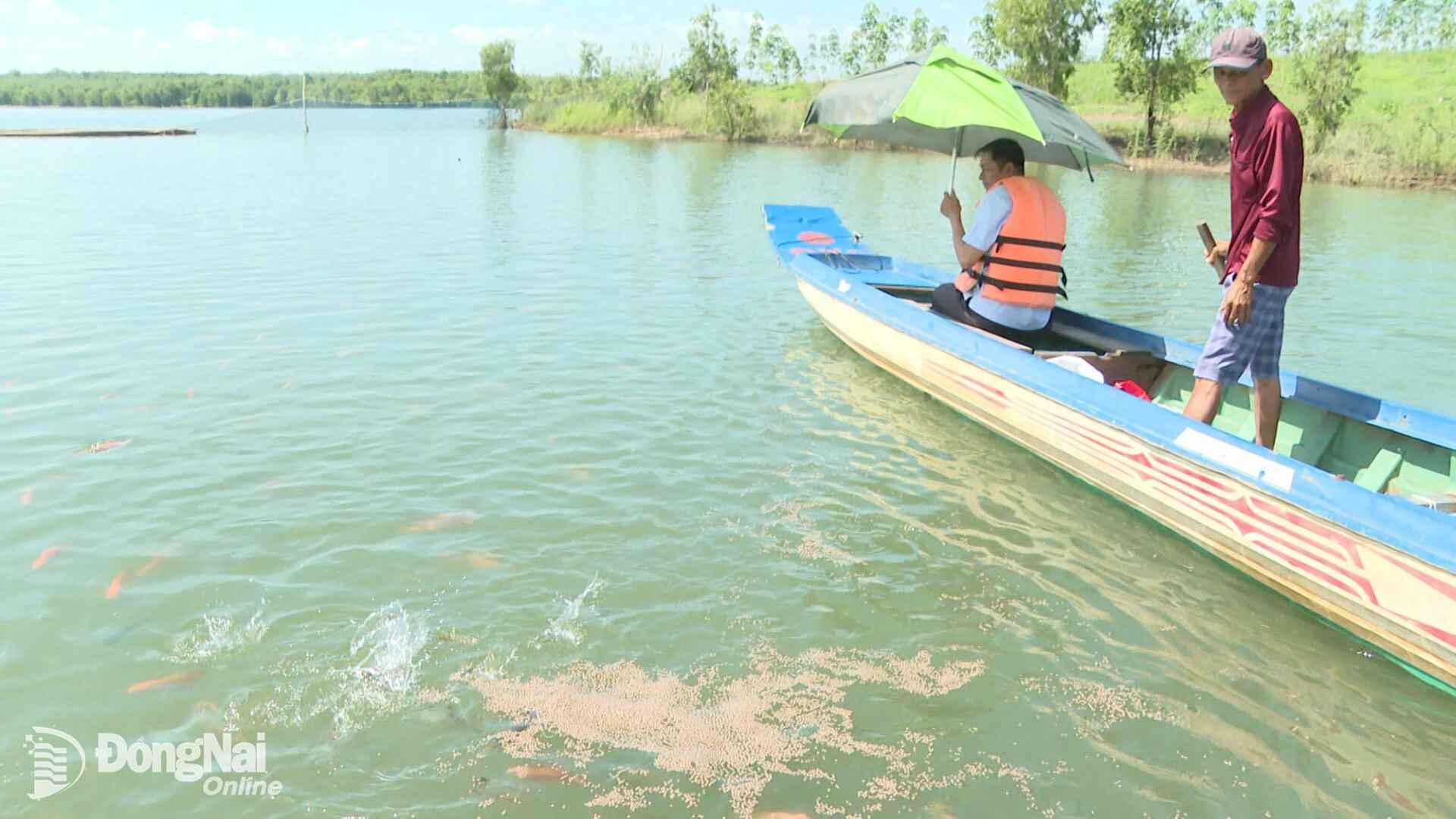
| Locals raise fish in the reservoir of the Can Don hydroelectric power plant. Photo: Van Doan |
The year 2025 has been identified as a pivotal milestone, forming the foundation for implementing planning related to the protection and exploitation of aquatic resources across the province. Building on the results achieved, Dong Nai’s agricultural sector aims to continue refining mechanisms and policies, with a focus on promoting sustainable aquaculture development that harmonizes exploitation, conservation, and social welfare in the coming period.
By Van Doan - Translated by Huyen Trang, Minho



Thông tin bạn đọc
Đóng Lưu thông tin